A Year of Peatland Restoration in the Clwydian Range & Dee Valley – Working Together for Nature
This year has been a successful one for peatland restoration across the Clwydian Range & Dee Valley, thanks to the fantastic partnership between the Clwydian Range and Dee Valley National Landscape team, Natural Resource Wales and the National Peatland Action Programme (NPAP), the RSPB, and local stakeholders. Together, we’ve delivered major improvements to some of our most important and threatened upland habitats, helping to protect wildlife, store carbon and support healthier, more resilient ecosystems for the future.
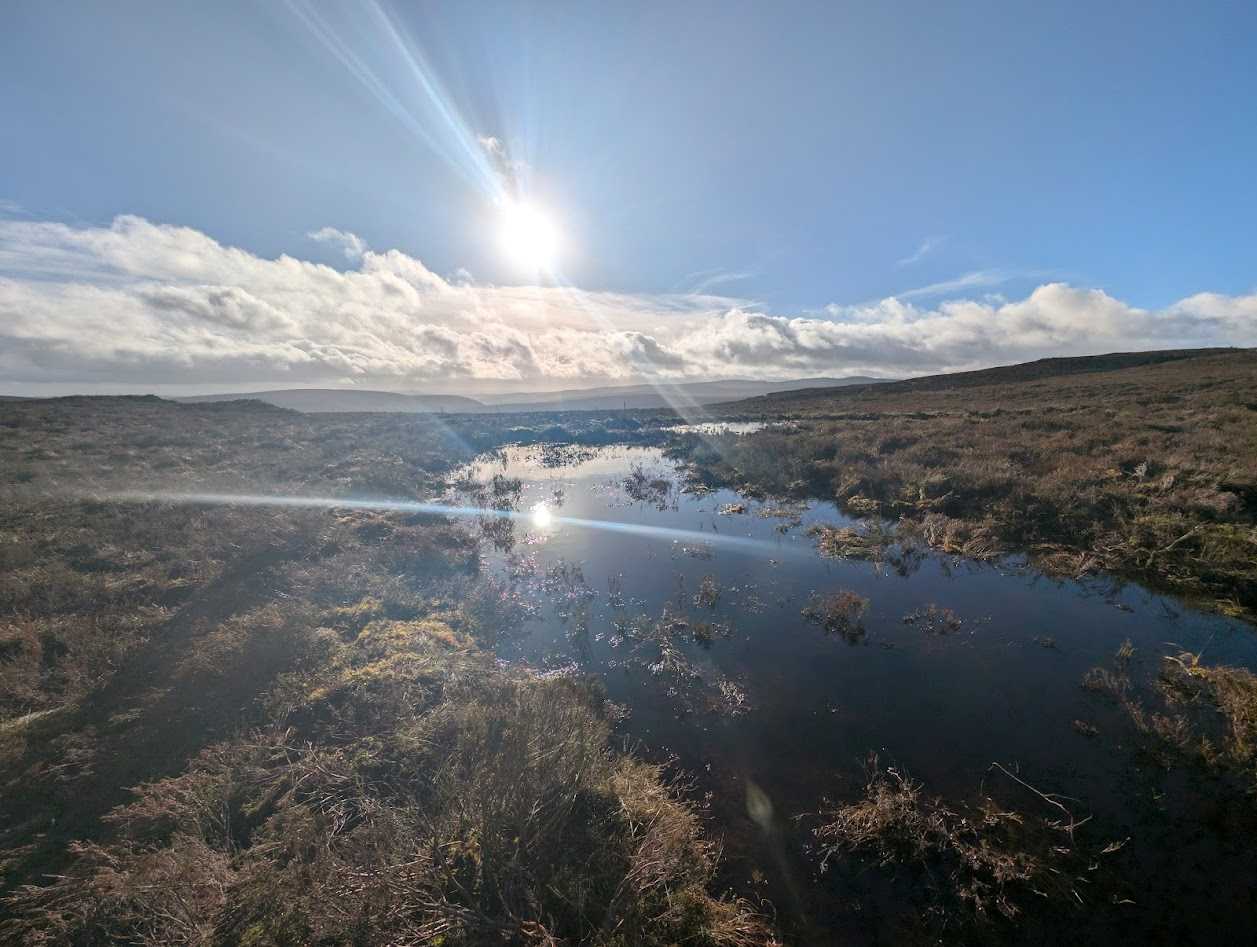
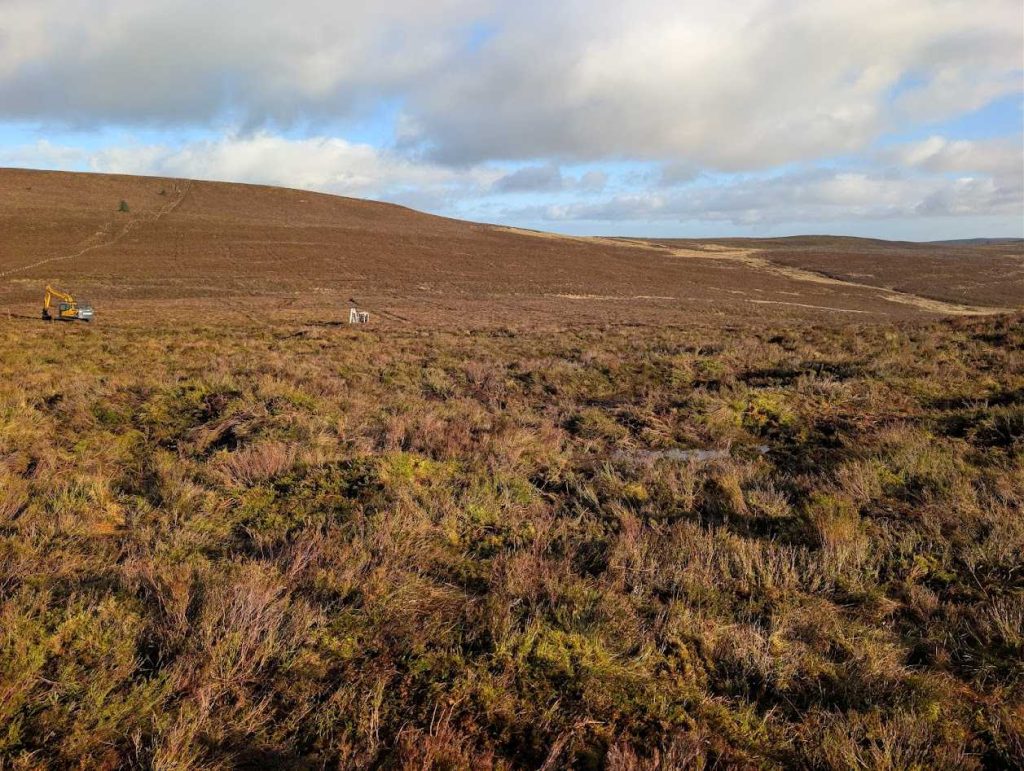
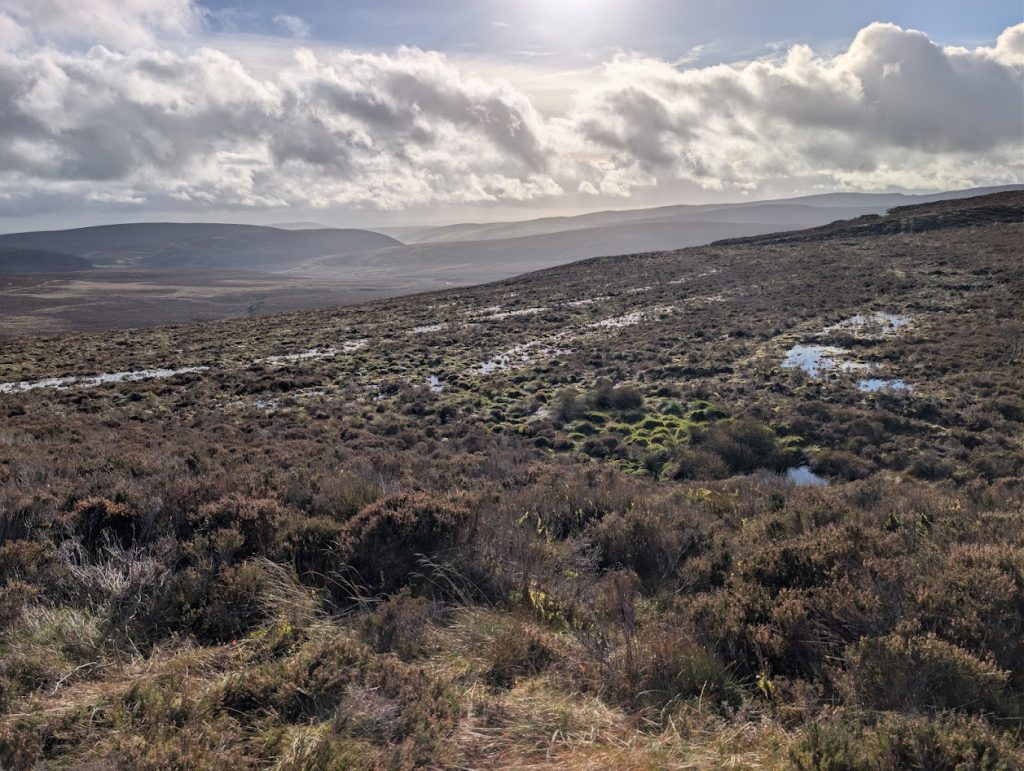
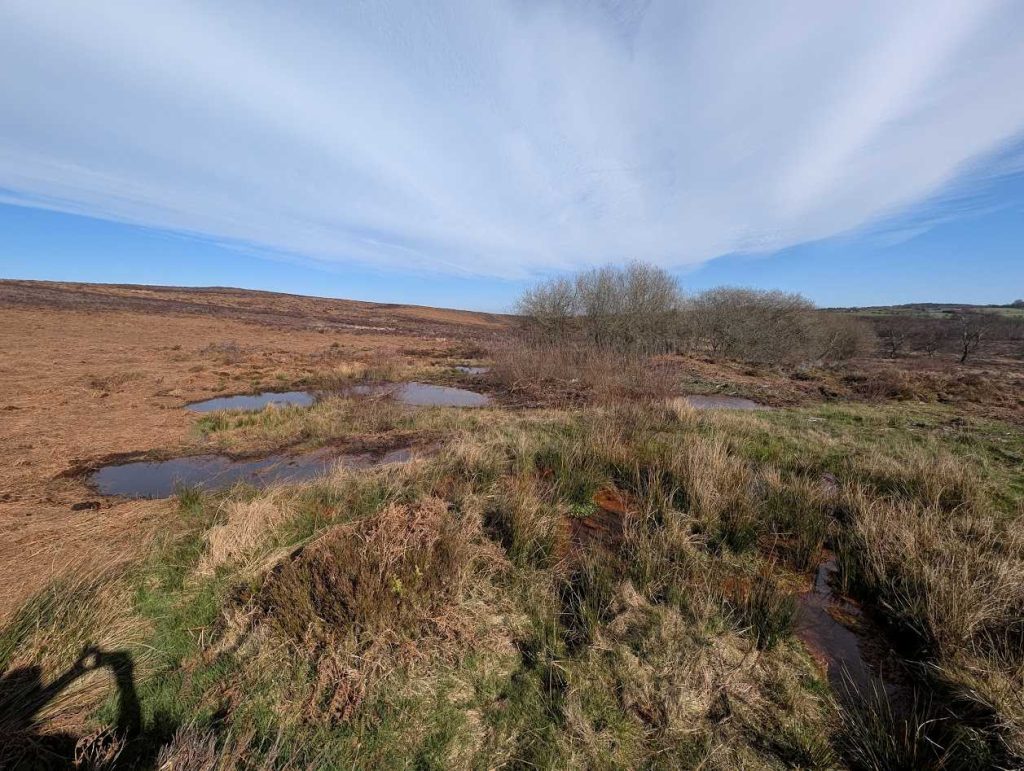
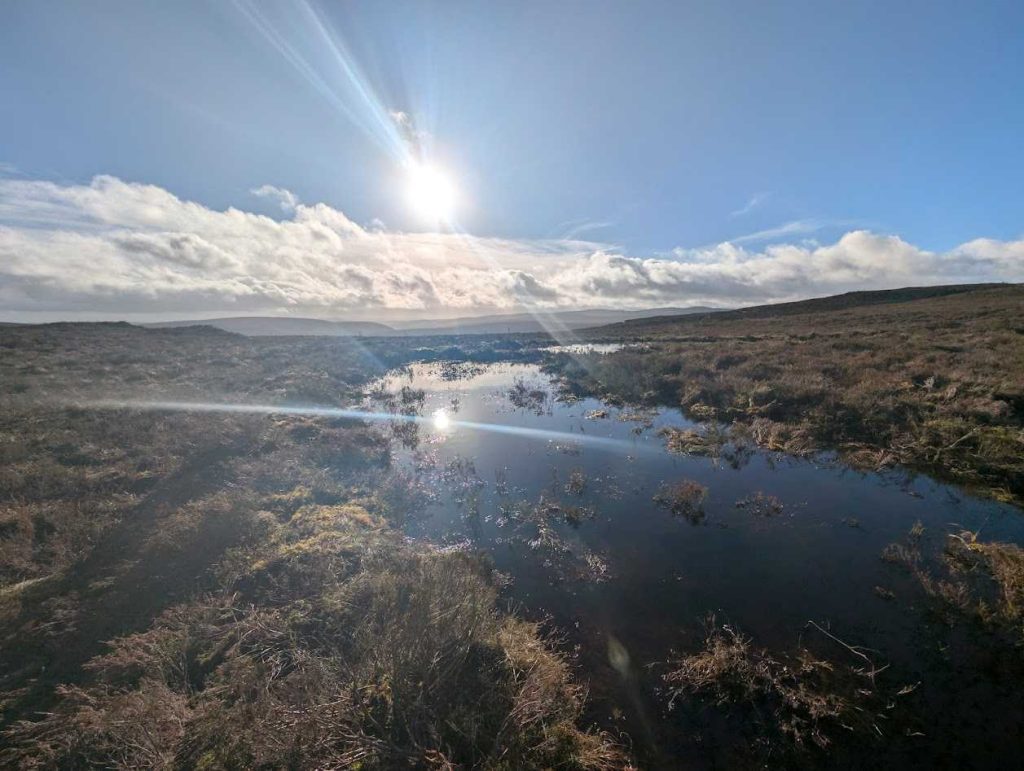
One of the biggest achievements has been the restoration of peatland hydrology on Llandegla Moor and Dolydd Moor. Over 2.7 kilometres of ditch blocking and contour bunds have been installed to re-wet areas of peat that had become dry and eroded over time. These carefully designed features slow water down, keep moisture within the bog, and encourage the return of important peat‑forming plants such as Sphagnum mosses. Re-wetted peatlands not only help fight climate change by storing carbon, but they also create habitats for species like curlew, snipe, dragonflies and damselflies.
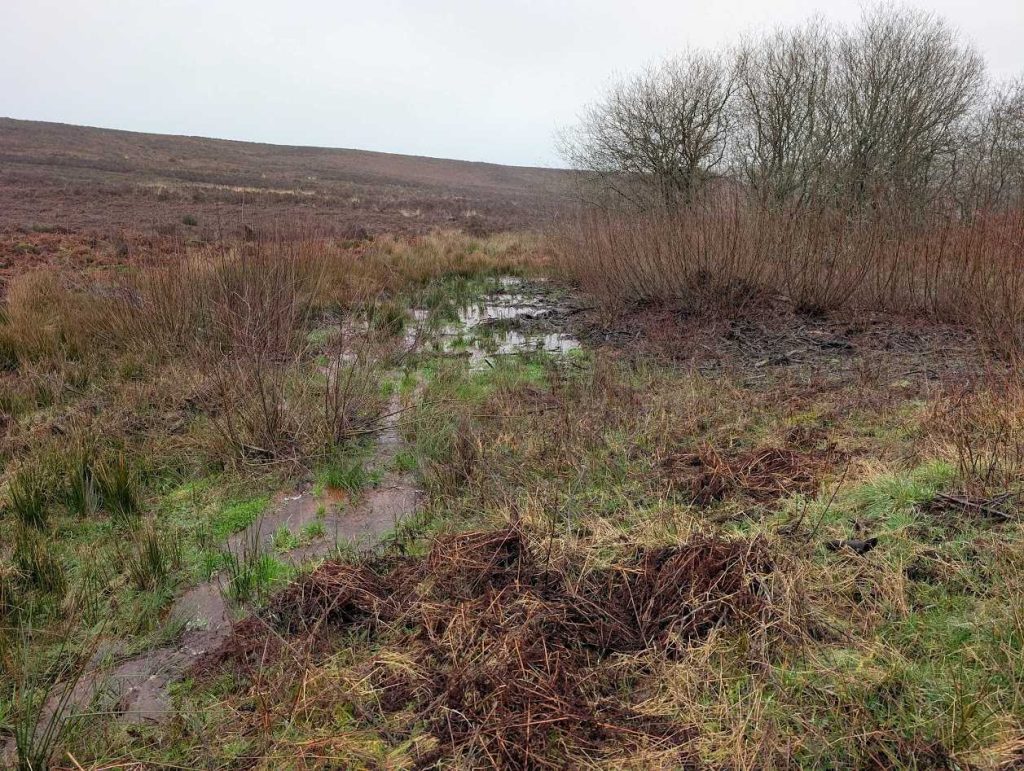
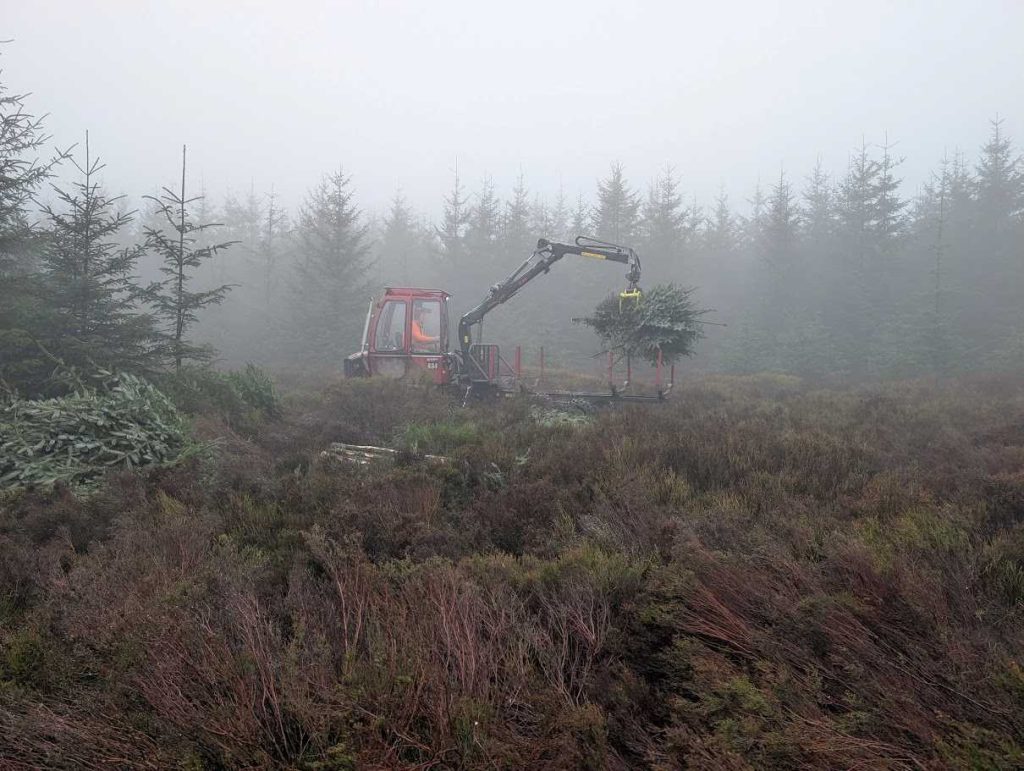
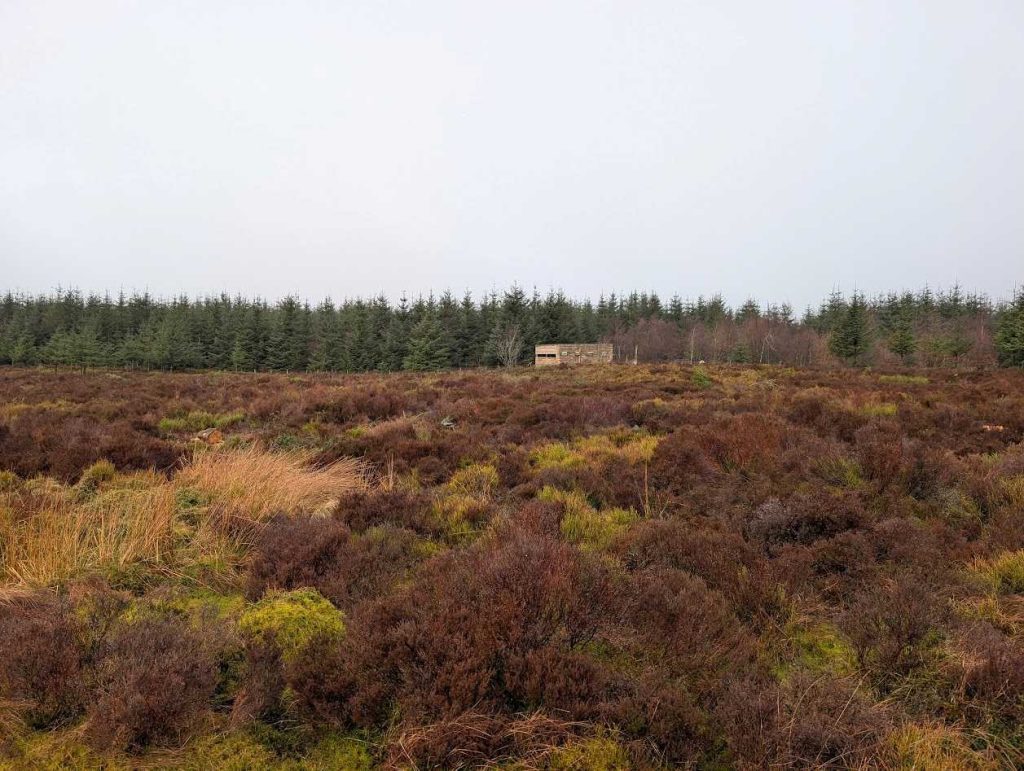
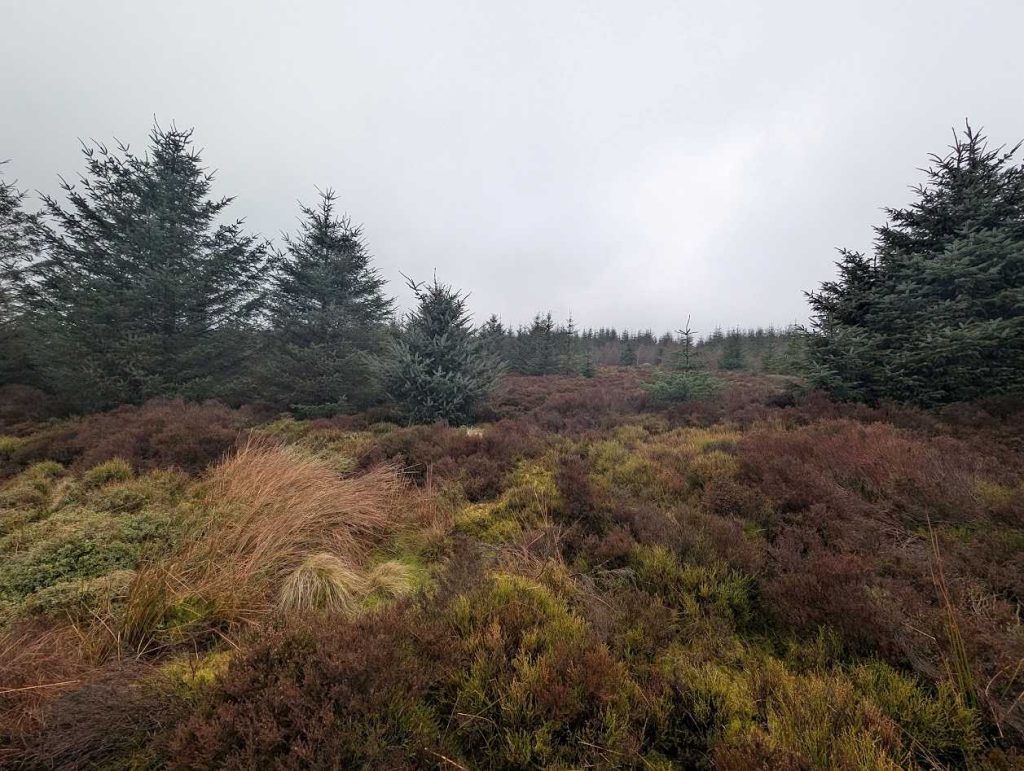
We also carried out a programme of conifer removal, clearing 10 hectares of self‑seeded trees along the boundary of Llandegla Forest and Ruabon Moor. These trees, if left unmanaged, can dry out peatlands, shade out native plants and change the character of the moor. Their removal has restored open moorland habitat and improved visibility from the nearby public bird hide, giving visitors a clearer view of this landscape and the chance to spot wildlife such as black grouse without disturbing sensitive areas of the moor.
These restoration works are already helping to raise water levels, slow erosion and improve conditions for upland wildlife across our peatland sites. Over time, the benefits will increase as vegetation recovers and water continues to spread across areas that have been dry for decades. This is long‑term, climate‑positive work — and it is made possible by strong partnerships and shared commitment.
We’d like to thank NRW, RSPB, Landowners and everyone involved for their hard work this year. Together, we’re protecting one of Wales’ most important habitats, improving biodiversity and ensuring that these wild, beautiful places can be enjoyed for generations to come.